
Description
Turn Any Novel Into a Complete Literature Study
What if your student could pick up almost any novel and know exactly what to look for, what questions to ask, and how to think more deeply about the story?
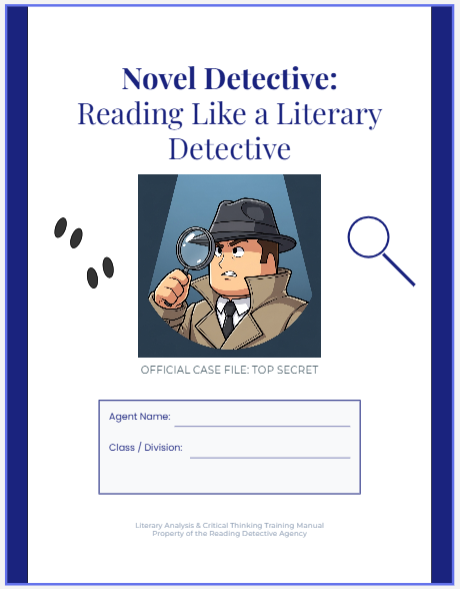
Novel Detective: Reading Like a Literary Detective is a reusable novel study and literary analysis workbook for grades 7–9 that teaches students how to become active, thoughtful readers while they work through a novel of their choice.
Instead of simply answering chapter-summary questions, students learn to notice the clues authors leave behind—character choices, conflicts, symbols, themes, foreshadowing, imagery, figurative language, changes in mood, and much more.
The workbook combines short, student-friendly instruction + examples + guided practice + independent application, allowing students to learn a literary concept and then immediately practice finding it in the novel they are currently reading.
Why Parents and Homeschool Educators Will Love It
Choosing a literature curriculum for every individual novel can become expensive, time-consuming, and repetitive.
This workbook gives you a flexible literature-study framework that can be used again and again with different books.
Use it for:
- Homeschool literature
- Independent reading
- Middle school English
- Novel studies
- Book clubs
- Co-op classes
- Summer reading
- Reading comprehension practice
- Literature electives
- Family read-alouds
- Independent student work
Your student doesn’t need a separate workbook for every novel. One workbook can accompany multiple novels throughout the school year.
What Students Learn
The workbook doesn’t simply ask students what happened in a story.
It teaches them how to understand why the story works.
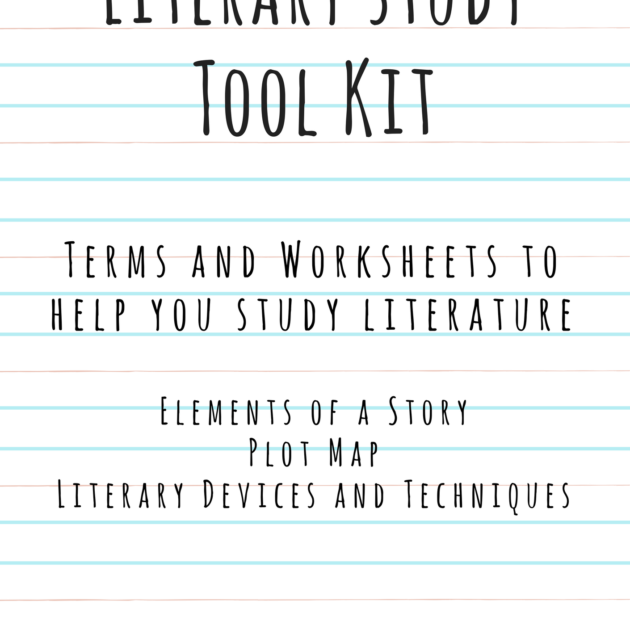
Students explore important story elements including:
📖 Plot
Students learn how stories are structured and identify:
- Exposition
- Rising action
- Climax
- Falling action
- Resolution
- Important turning points
They practice tracking important events rather than simply retelling everything that happened.
👤 Characterization
Students learn how authors reveal character through:
- Actions
- Dialogue
- Thoughts
- Appearance
- Relationships
- Choices
- Reactions
They track character traits, motivations, relationships, conflicts, and changes throughout the novel.
⚔️ Conflict
Students learn to recognize different types of conflict, including:
- Character vs. Character
- Character vs. Self
- Character vs. Society
- Character vs. Nature
- Character vs. Technology
They then connect conflicts to character decisions and larger themes.
🌎 Setting
Students examine how time and place influence the story and learn to consider whether setting affects:
- Character behavior
- Mood
- Conflict
- Plot
- Theme
💡 Theme
Students learn the difference between a topic and a theme and practice finding evidence that supports possible themes.
Rather than simply answering “What is the theme?”, students learn to ask:
What is this story saying about this idea?
👀 Point of View
Students explore different narrative perspectives and consider how the narrator’s perspective influences what readers know and understand.
😊 Mood & Tone
Students learn to distinguish between:
Mood: How the story makes the reader feel.
Tone: The author’s attitude toward the subject.
They then practice identifying words and writing choices that create those effects.
Become a Literary Detective 🔎
One of the central ideas of the workbook is that authors leave clues.
Students learn to look for literary techniques and devices as they read.
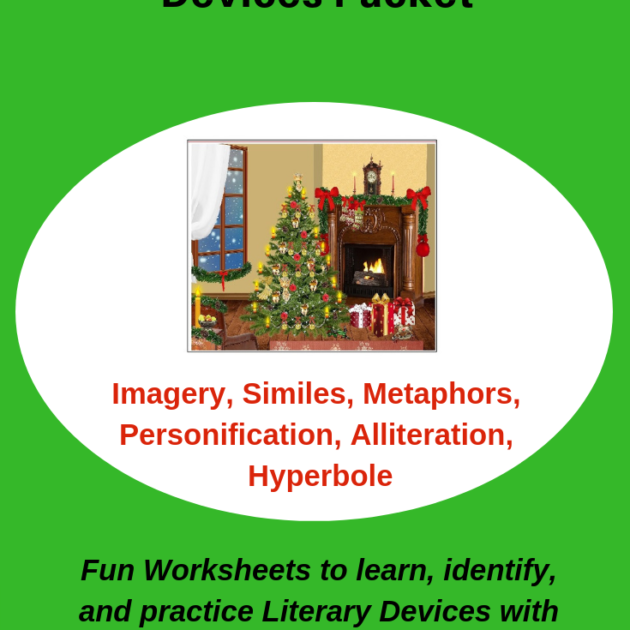
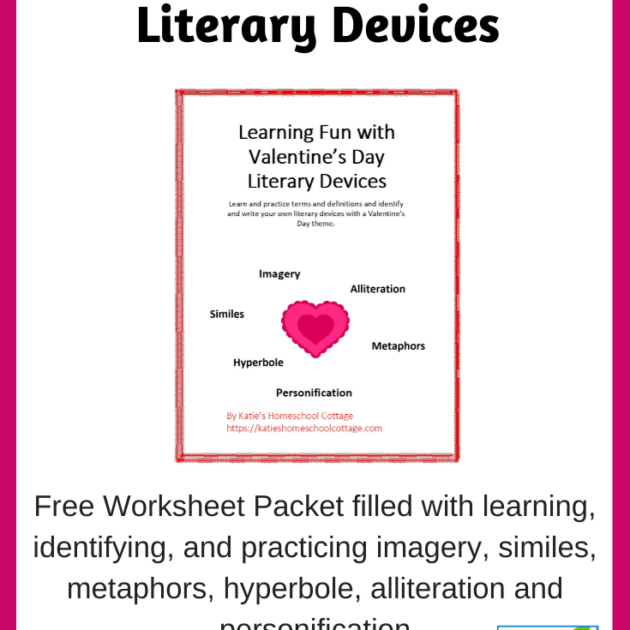
The workbook introduces and provides practice with concepts such as:
- Simile
- Metaphor
- Personification
- Hyperbole
- Imagery
- Symbolism
- Foreshadowing
- Flashback
- Irony
- Alliteration
- Onomatopoeia
- Repetition
- Dialogue
- Motif
- Figurative language
Students don’t just memorize definitions.
They learn:
What is it?
What does it look like in a story?
Why might an author use it?
How does it affect the reader?
Can you find an example in your novel?
That progression helps turn literary vocabulary into an actual reading skill.
Practice While They Read
The workbook includes reusable pages students can complete as they encounter important moments in their reading.
Students can record:
- Chapter summaries
- Important events
- Character discoveries
- Character changes
- Conflicts
- Predictions
- Questions
- Vocabulary
- Important quotes
- Literary devices
- Symbols
- Themes
- Evidence from the text
- Personal connections
- Author’s craft
This means students are actively interacting with their novel while reading, rather than waiting until they finish the book to think about what it means.
Build Reading Comprehension AND Literary Analysis Skills
A major benefit of this approach is that students practice several skills at once.
They learn to:
- Identify important information
- Summarize
- Make predictions
- Make inferences
- Ask meaningful questions
- Identify cause and effect
- Recognize patterns
- Support ideas with textual evidence
- Explain character motivation
- Analyze author choices
- Connect details to larger themes
These are skills students can carry into future novels, English classes, essays, standardized assessments, and college-level reading.
A Built-In Reading Journal
The workbook also functions as a literature journal.
Students have space to record their thinking throughout the novel rather than trying to remember everything at the end.
They can track:
Character Development
Who was this character at the beginning?
What has changed?
What caused the change?
Theme Development
What idea keeps appearing?
What evidence supports it?
How does the author’s message develop?
Literary Device Detective
What did I notice?
Where did I find it?
Why might the author have used it?
Quote Analysis
What is happening when this quote appears?
Why is it important?
What does it reveal?
Final Project & Book Report Ideas
Finishing the novel doesn’t have to mean completing another boring book report.
Students can choose from a variety of creative, analytical, and presentation-based final projects.
Ideas include:
- Traditional book report
- Character analysis
- Theme analysis
- Literary analysis essay
- Compare-and-contrast project
- Alternative ending
- Missing chapter
- Character diary
- Newspaper about the novel
- Movie poster
- New book cover
- Character social media profile
- Comic scene
- Podcast book review
- Author interview
- Character interview
- Movie adaptation comparison
- Setting research project
- Historical context project
- Character timeline
- Novel soundtrack
- Museum exhibit
- Book trailer
- Presentation or book talk
This allows parents to choose a final project that fits their student’s age, interests, learning style, and writing goals.
Student-Friendly Literary Reference Guide
At the back of the workbook, students have a convenient Literary Reference Guide they can return to whenever they encounter an unfamiliar concept.
The reference section provides quick definitions and examples for important literary terms, making it useful as both a workbook and a literary analysis reference book.
Students can use it while reading, completing assignments, preparing a book report, or writing a literary analysis.
Perfect for Independent Learning
The workbook is designed so students can progressively take more ownership of their reading.
The pattern is simple:
1. LEARN
Understand the literary concept.
2. SEE IT
Study an example.
3. PRACTICE
Try identifying or analyzing the concept.
4. FIND IT
Look for the concept in their own novel.
5. RECORD IT
Collect evidence and explain their thinking.
6. ANALYZE IT
Connect individual details to larger ideas about the story.
This makes the workbook particularly useful for independent homeschool students who are ready to take more responsibility for their literature work.
One Workbook. Countless Novels.
The best part?
You choose the book.
The workbook can accompany classic literature, modern novels, historical fiction, fantasy, science fiction, mystery, dystopian fiction, adventure, or contemporary realistic fiction.
Once students understand what to look for, every novel becomes an opportunity to practice literary analysis.
What’s Included
✔ Student-friendly instruction
✔ Story element lessons
✔ Literary device lessons
✔ Examples and guided practice
✔ Independent novel application pages
✔ Chapter reading logs
✔ Character trackers
✔ Conflict trackers
✔ Theme trackers
✔ Literary device detective pages
✔ Quote analysis pages
✔ Vocabulary activities
✔ Prediction and inference activities
✔ Author’s craft activities
✔ Final reflection
✔ Book report and final project ideas
✔ Literary reference guide
✔ Reusable format for different novels
Designed for Grades 7–9
Novel Detective is ideal for homeschool families, middle school English students, literature classes, co-ops, book clubs, and parents who want a structured way to turn independent reading into meaningful literature study.
Read the story. Find the clues. Understand the author. Become a literary detective.

Reviews
There are no reviews yet.